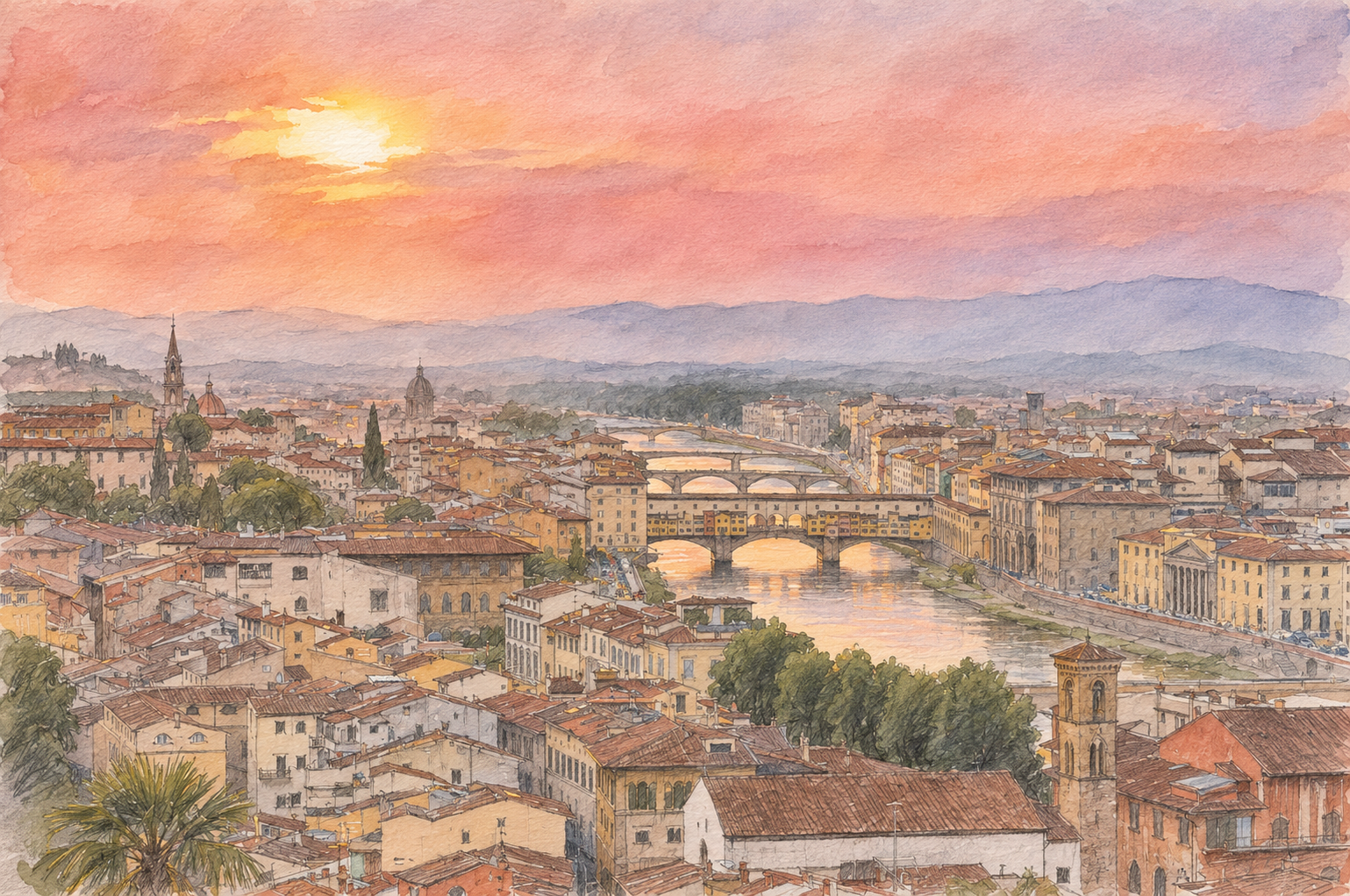
Dan Brown, the American writer widely known for his bestseller “The Da Vinci Code”, has written another book. Although the media loves to criticize him, I don’t think we should presume that his newest work is that bad. In my opinion, he should not be bashed by the critics. I finished reading his “Inferno” some days ago, and would like to share my thoughts about it.
Main story
Brown does not escape from his usual tricks of writing. Robert Langdon - the courageous character who appeared in 3 other novels - has to scrutinize more symbols after he ended up in a Florentine hospital. As the breathtaking plot continues, he discovers that his objective is to prevent a bio-terrorist from infecting Europeans. Meanwhile, there is a discussion about Transhumanism and Malthusianism, two ideologies that supposedly motivated the biological attack. The book is laden with unpredictable scenes, what stimulates readers to keep entertained by his prose.
However, I must say it takes a lot of time for the real story to begin. Its introduction, in my iPad version of the book (which has more pages than the printed edition), took around 300 pages to be concluded. I still don’t know what kept me reading, but I’m glad I did it. The unexpected turn of events astonishes you at the end.
Historical and artistic references
Even though I’m no expert in ancient history or world culture, there is a page right before the Prologue which bears an intriguing assertion.
“FACT: All artwork, literature, science, and historical references in this novel are real.”
I must say that, in spite of this sentence, some of what you read might be wrong, or at least equivocated. “The Da Vinci Code” caused controversy because of its inaccuracies. This new book cannot be different. It was based in Dante Alighieri’s Divine Comedy, an epic poem divided into three parts: Inferno, Purgatorio and Paradiso. Additionally, once the plot is settled mostly in Italy, there are many Italian museums and art galleries mentioned. With that large number of references, it is not hard to be mistaken. Dan Brown himself has admitted to describe history in a fanciful way:
“I do something very intentional and specific in these books. And that is to blend fact and fiction in a very modern and efficient style, to tell a story. There are some people who understand what I do, and they sort of get on the train and go for a ride and have a great time, and there are other people who should probably just read somebody else.”
Final opinion
Those who happen to have a deep knowledge of either Dante or Italian history will not be pleased by “Inferno”. On the other hand, people who don’t mind having a mixture of fiction and reality in a novel will like it. I am included in the latter group. Unless you’re bored by thrillers that are focused on cryptic inscriptions, you will be fully satisfied. Dan Brown’s book is masterfully constructed, and this mind-blowing piece of writing will probably stun its readers until the very last page.
Originally published on thimabi.wordpress.com.