
As of October 2013, I have enrolled myself on a MOOC (Massive Open Online Course) offered by the University of Texas at Austin through edX. The classes will cover many aspects of globalisation, and I am expected to write 11 essays in order to pass. This is the first written assignment I have done for the course. It presents a solution to the dilemma of governing the maritime transportation system, in times when it facilitates global integration.
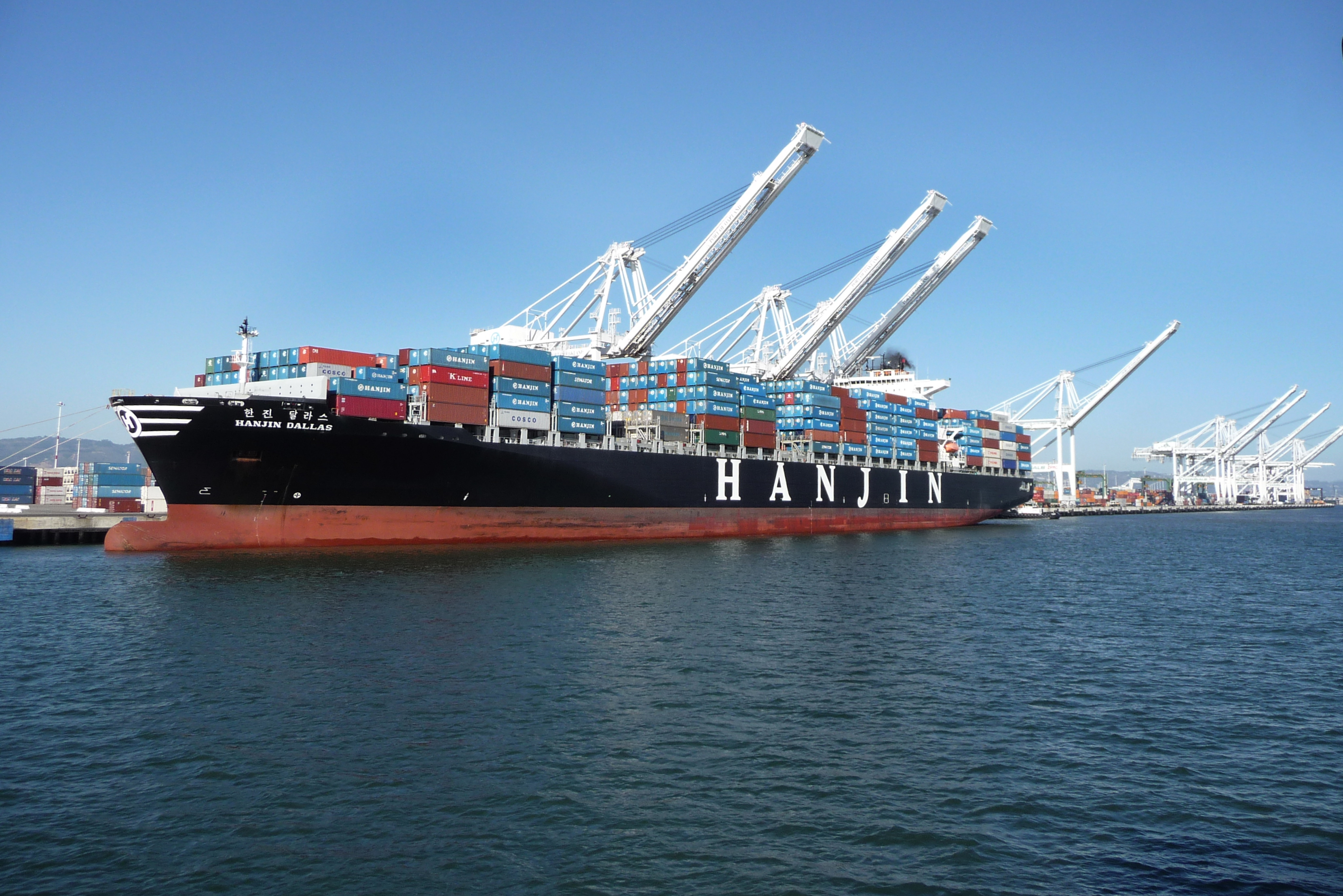
Globalisation has imposed several changes to the way humans move across the world. The advent of the Industrial Revolutions has contributed to improving the means of transportation, which play a crucial role in defining how humanity affects the Earth. One of the major transport networks for moving cargo is the maritime. The intensification of material fluxes among nations was followed by the rapid growth of this via for connecting several countries. However, the ship industry is known for its autonomy and influence, both characteristics that prevent its appropriate regulation. This is why it has been accused of disrespecting labour legislations, emitting surplus greenhouse gases, contributing to the degradation of marine ecosystems, and neglecting norms which should guarantee security in the seas.
A way to achieve global governance of the maritime transportation system has to encompass each and every aspect of it, from environmental standpoints to socioeconomic ones. The International Maritime Organisation (IMO), with its International Convention for the Prevention of Pollution from Ships (1973), has tried to reduce vessels’ impacts on nature and on coastal populations. Unfortunately, it has failed. This indicates that any approach to solving the issues caused by ships has to rely on heavy enforcement and collaboration from maritime powers. A plan to regulate the seas’ usage must consist of:
1) Financial advantages that stimulate compliance with international standards
Ship-owners are driven by profits. If there is a chance to spend less money in order to maintain their boat active, they will take it. Although a globalised world tends to despise subsidised parts of a country’s economy, fiscal incentives could reduce the costs needed to: adopt energy-efficient engines, so as to reduce greenhouse gas emissions; ensure the use of chemicals, in order to prevent the consequences of inappropriate disposal of ballast water; hinder ship companies in their abusive acts that explore the labour force. These state-sponsored initiatives, once consented by each member of the IMO, would not constitute unfair practises, because they would be adopted by every country.
2) Comprehensive negotiations that will lead to wide recognition of the deals
The international community is extremely diverse, and so are the interests of those who form it. Developing nations will argue that they need to reach an ambitious economic status before giving in to socio-environmental pressures. On the other hand, industrialised nations claim that they cannot reduce their investments in pollutant means of transportation, mainly because they need to keep the development they were able to reach. Therefore, a pact on the regulation of the maritime transport has to include the opinions of most of the countries. Thereby, there will be no feeble excuse not to regulate the ship industry.
3) The creation of an institution which will effectively enforce regulations
The Basel Convention, devised in 1989, intended to reduce the movement of hazardous waste from developed to non-developed nations. This agreement has failed because the disrespect of it has not been punished by any organism. Thus, it suffices to illustrate the need for a strong organisation, aimed at supervising the applicability of international norms across the globe. The same way that the International Atomic Energy Agency invigilates countries in order to check if they are using their nuclear potential peacefully, there should be inspectors monitoring enterprises related to vessels. Indeed, there are many ships (active, in construction or being dismantled) throughout the world, what may prevent this enforcement. However, just as the World Anti-Doping Agency randomly selects athletes to be tested against the illegal use of drugs, companies would eventually be investigated to confirm that they comply with regulations.
The challenges of the 21st century demand that humans respond to anthropic degradation of the natural space and to the disparities between civilisations. There is no time for waiting and postponing socio-environmental goals. Climate change has been intensified, the gap between the rich and the poor is increasing, the natural resources we depend upon are becoming scarce. Therefore, any plan that involves these issues – including a framework for the maritime transportation systems – should encompass the desires of those who have money, those who have the power, and those who will suffer the consequences of the pacts. By establishing a set of rules for the seas and the business that it sustains, humans are helping to preserve 71% of their planet, according to a recent study conducted by NASA.
Originally published on thimabi.wordpress.com.