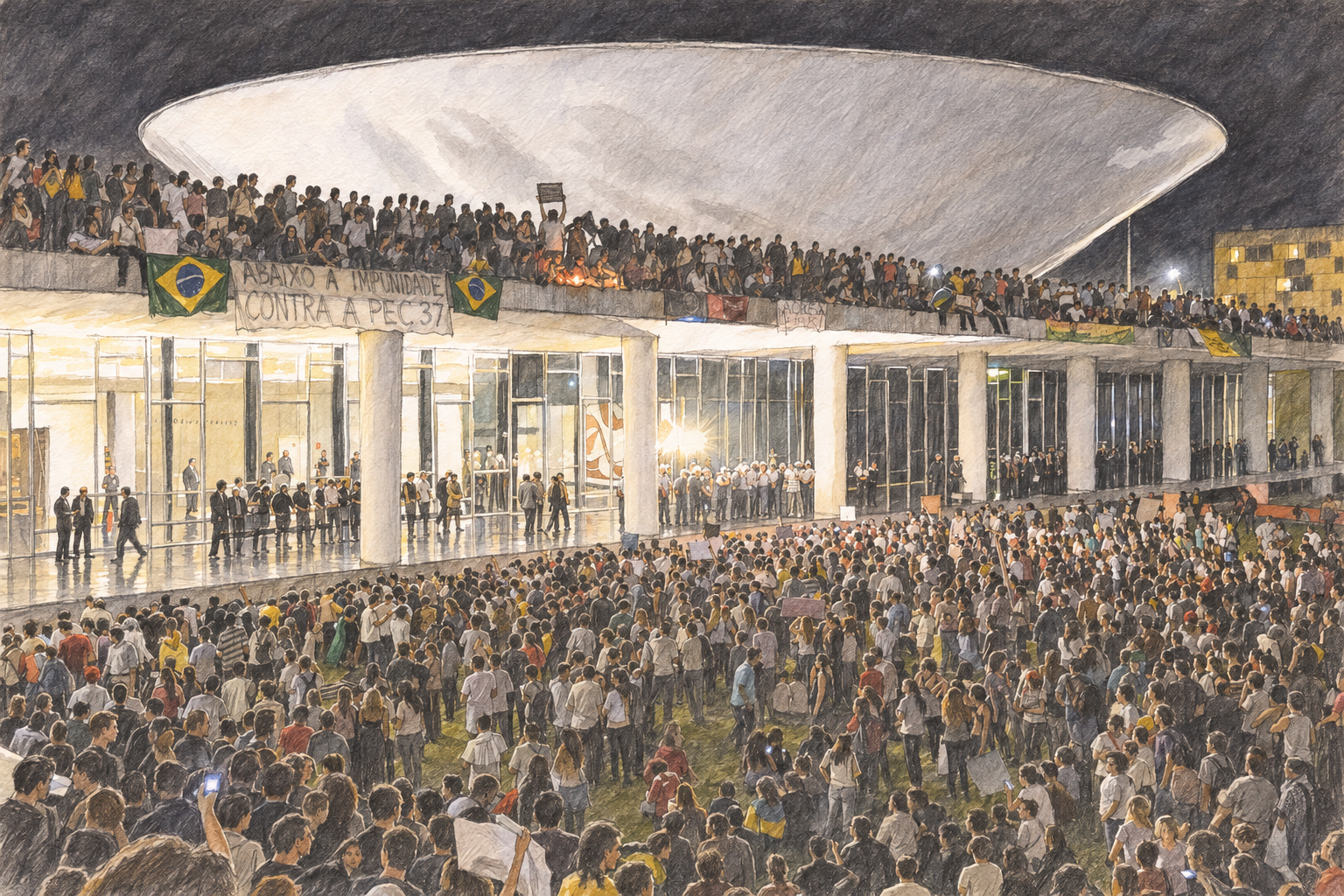
According to CNN:
For nearly two weeks, tens of thousands of Brazilians marched through the streets night after night.Crowds originally protesting bus fares grew into multitudes decrying social injustice on Tuesday, as broad avenues filled to capacity for blocks.The protests come amid the soccer Confederations Cup tournament, a friendly array of matches, in which the host country, Brazil, plays against a small group of national teams from around the globe. The cup serves as a precursor to the World Cup. The majority of marchers are young and well-educated.
According to the BBC’s Gary Dufry, their correspondent in Sao Paulo:
The objectives of this diverse protest movement are very broad, such as demanding better education and health services. A sluggish economy and inflation that is affecting the lives of ordinary Brazilians every day can be added to the mix.
According to The New York Times:
While the dynamic of heavy-handed police tactics, like the use of pepper spray, tear gas and rubber bullets, intensifying rather than quelling protests echoes recent events in Turkey — not to mention those in the Unites States, Spain, Syria, Libya, Bahrain, Egypt and Tunisia in 2011 — one difference is that some of the images of the police crackdown in Brazil that stirred the most anger were captured by reporters for local newspapers and television stations, not just protesters or foreign correspondents.
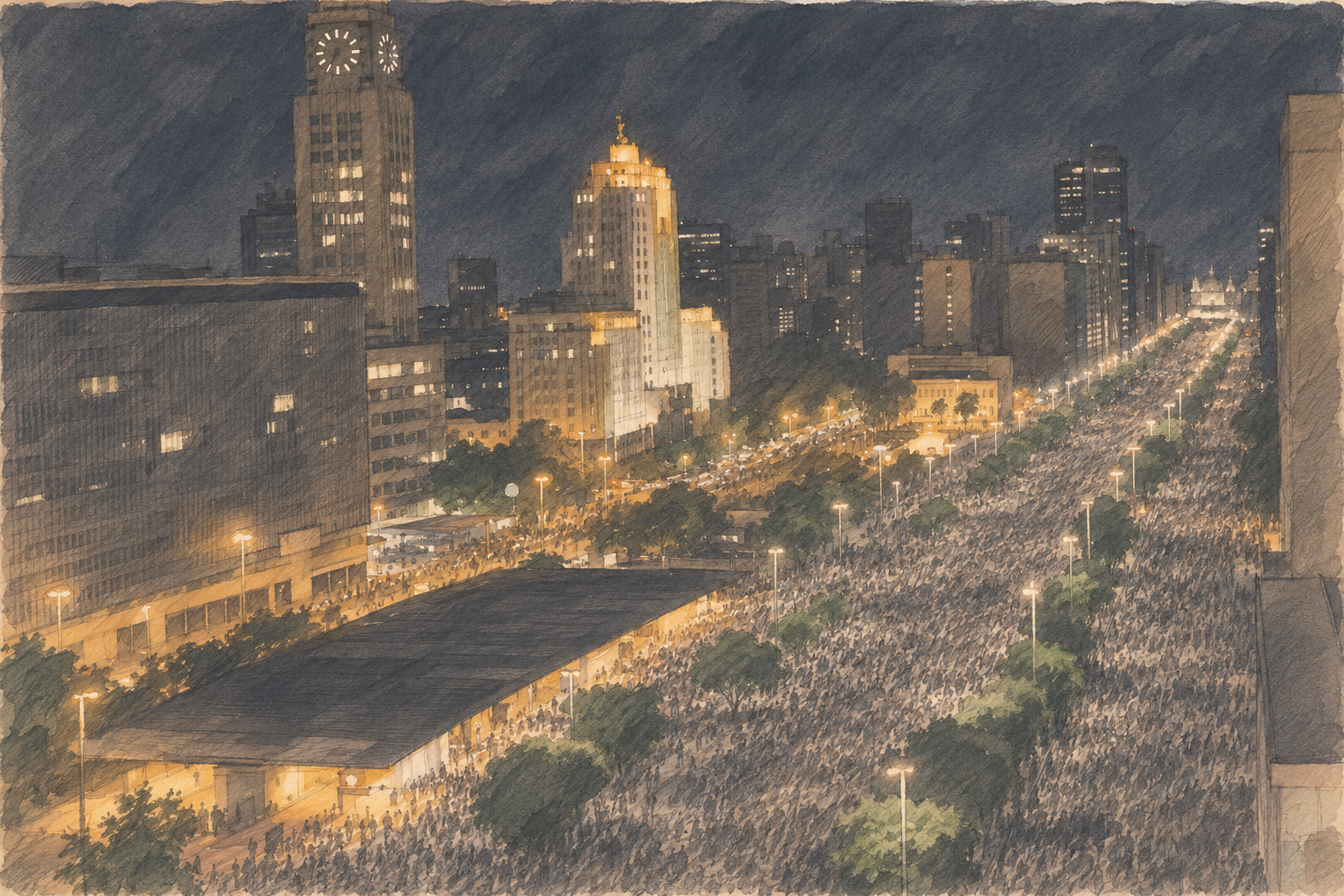
Officials estimate around 300,000 people gathered in Rio’s most bustling avenue. Their requests vary from better public education and health systems to the end of corruption.
Originally published on thimabi.wordpress.com.