The basics
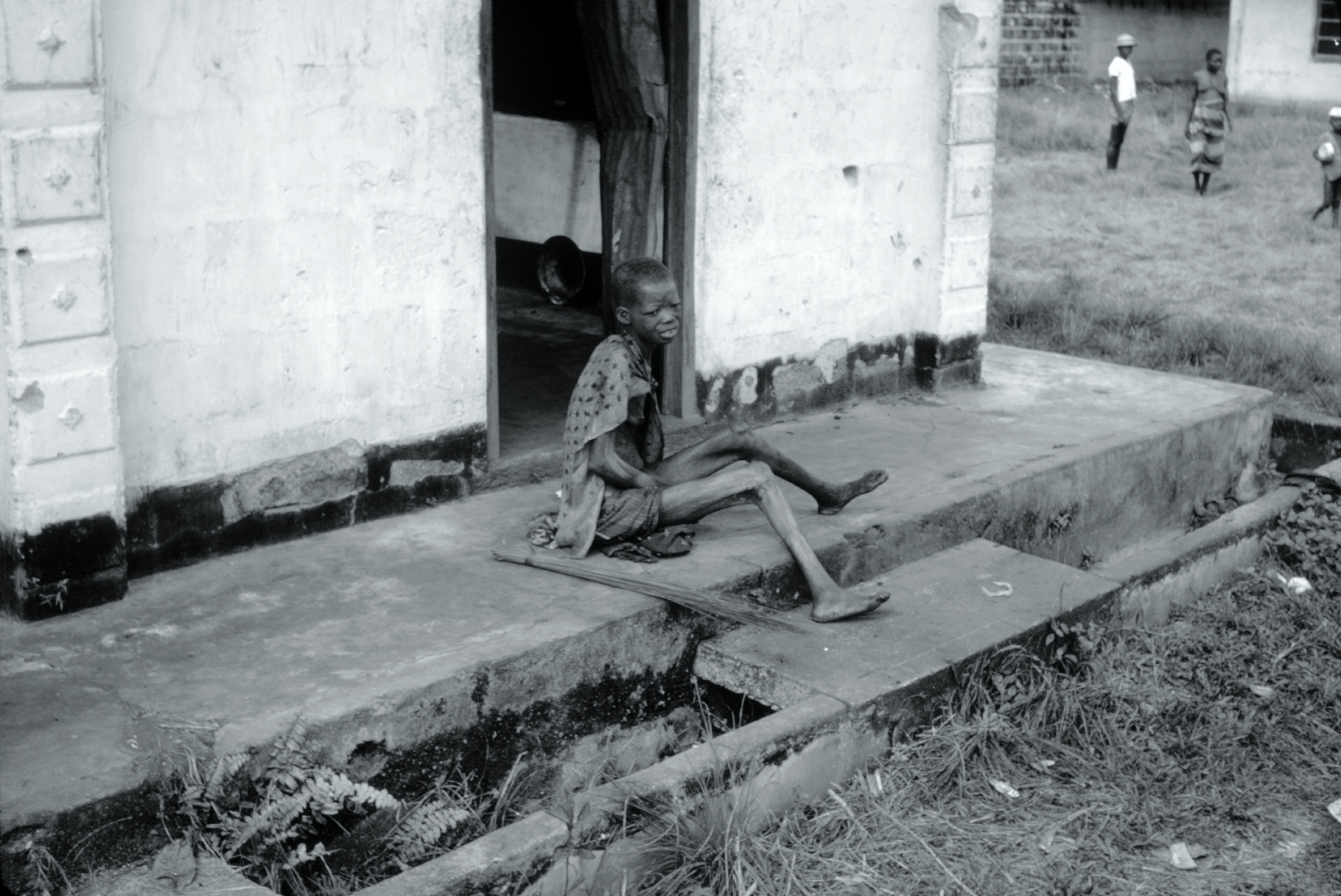
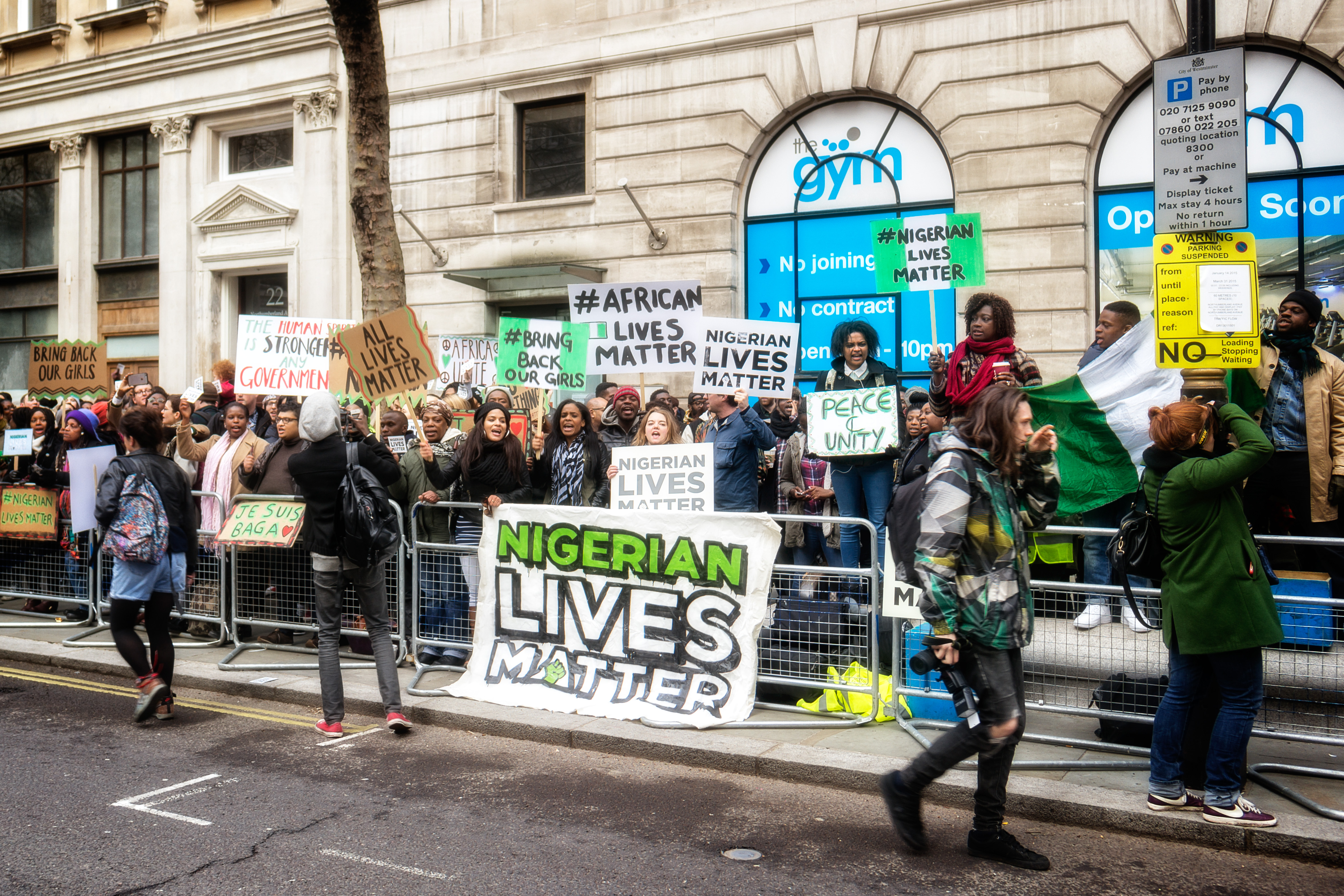
Since 2009, Nigeria and neighbouring countries have suffered from the rapid expansion of the radical Islamic group called “Jama’atu Ahlis Sunna Lidda’awati wal-Jihad” (Arabic for “People Committed to the Propagation of the Prophet’s Teachings and Jihad”), yet commonly known as Boko Haram. The group has been able to take hold of several swathes of Africa, for official military forces are mostly incapable of counterbalancing its members’ violent incursions. Last April, the extremists got worldwide attention following the abduction of over 200 girls at a boarding school (picture below). So far, the struggle between the outlaws and the Nigerian Army remains to harden the life of more than three million people, who also have to deal with poverty.
Problematising
In times when the world grapples with the rise of the Islamic State (ISIS), watching another radical group overtake several acres of land poses a challenge to policymakers. The Nigerian organisation, however, is quite different from its Middle Eastern counterpart. Boko Haram was initially conceived as a tool against the spread of Western-like schools in Nigeria. Its first initiative was the building of an Islamic mosque and school, as its supporters vowed to make “haram” (forbidden) any education that failed to meet local traditions — this includes, for instance, prohibiting Muslims of voting in elections. Eventually, however, the group became much more than an opposing force to societal issues.
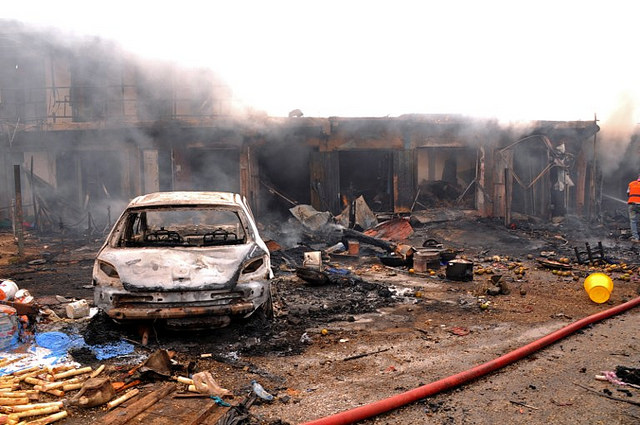
The attacks on foreign-inspired boarding schools contributed to the militarisation of Boko Haram. Soon, it began to conduct bombings and targeted killings (picture below). Currently, the goal is to overthrow the president and establish an Islamic caliphate. In fact, the group is virtually able to do so, as it has been stealing heavy weaponry (picture below) from military bases. Meanwhile, the government’s rampant corruption and mismanagement hamper the curbing of Boko Haram. Senior officials have been accused of giving in to the extremists’ demands, for fear of suffering personal retaliations, and they often fail to keep the world and the populace apprised of the development of the battle. As most news agencies fled Nigeria, it is quite hard to grasp the intricacies of its ongoing insurgency.
Originally published on Urbaniting.