
The basics
Last Wednesday (7 January 2015), gunmen donning black suits and body armour stormed into an editorial meeting of Charlie Hebdo, a French satirical newspaper that had been accused of scorning, among other entities, the Muslim God — Allah. Shouting religious-related war cries, the assailants gunned down several cartoonists and people who were nearby, then ran away from Charlie Hebdo’s premises. As the police hunted the suspects, Frenchmen, united by the sentence “Je suis Charlie” (French for “I am Charlie” — picture below) held hundreds of anti-terrorist rallies. Following intensive work, the main perpetrators of the attack were found and killed, in an operation that has also resulted in the death of four hostages in a building in Dammartin-en-Goele. Other terrorists escaped.
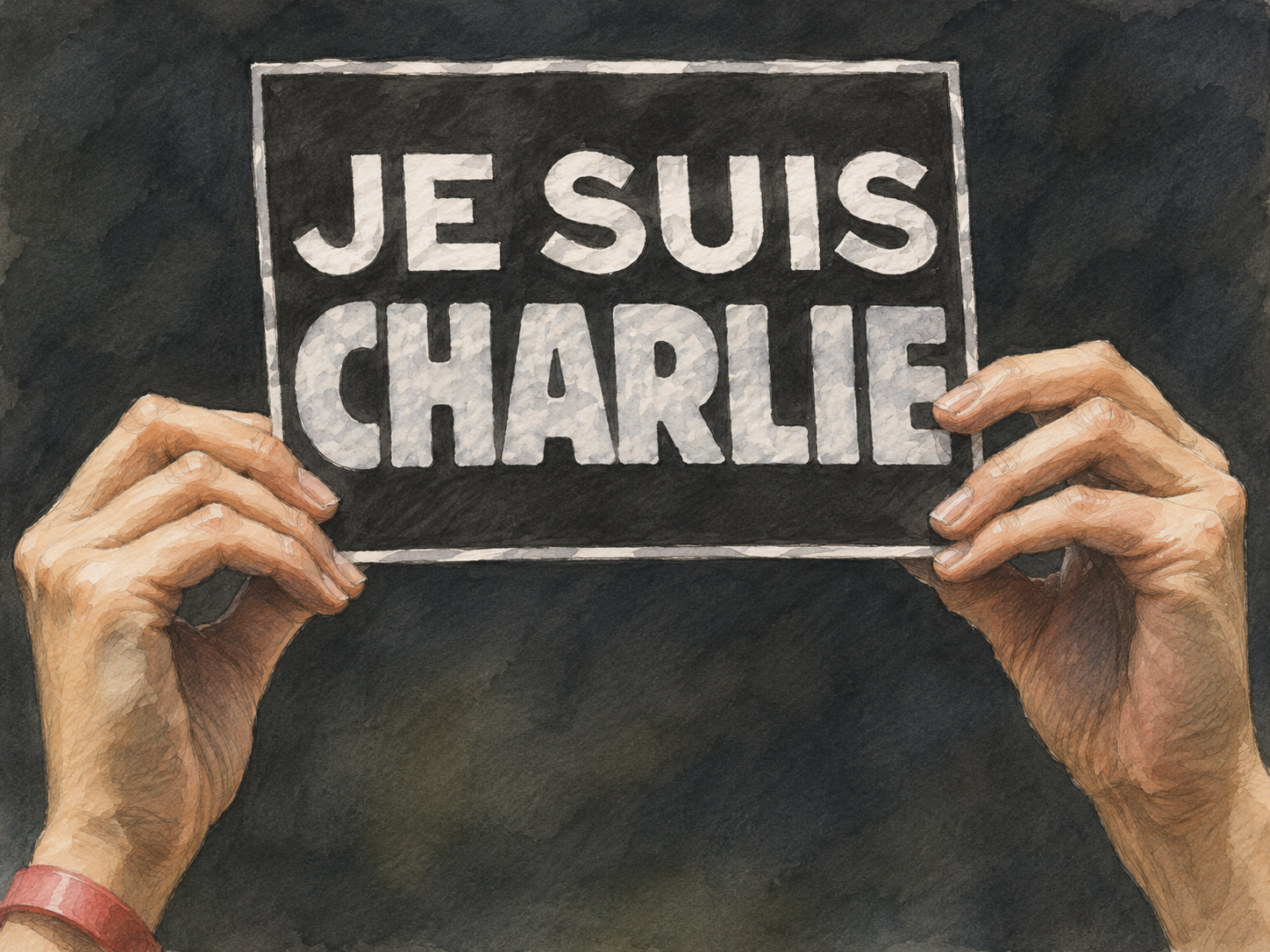
Problematising
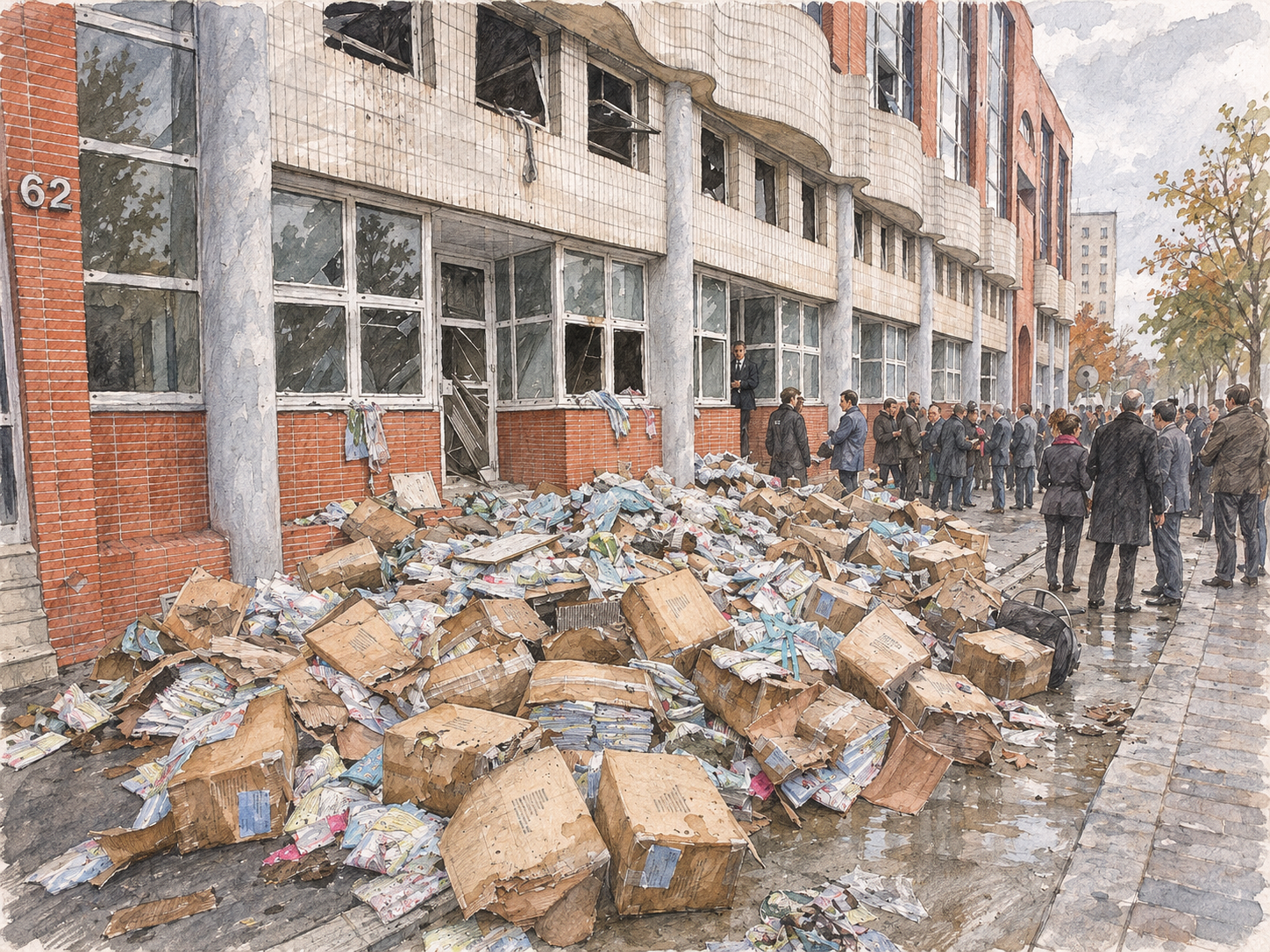
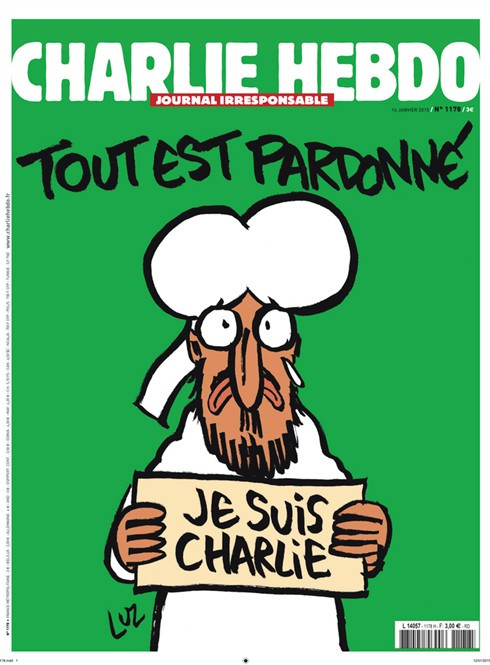
Unrighteous as the assault was, it underscores a few strains that characterise the relationship between the “Muslim World” and the “West”. Back in 2006, Charlie Hebdo had been severely criticised after republishing Danish cartoons that depicted Allah. Later, in 2011 and 2012, the newspaper itself produced similar artworks, which led to it being attacked (picture below). According to a few interpretations of Islam, the portrayal of Allah is strictly prohibited, something that should have been taken into account by Charlie’s employees. As the French foreign minister Laurent Fabius has once said, “Is it really sensible or intelligent to pour oil on the fire?”. Defiantly, Charlie Hebdo decided to make another depiction of the Muslim God, which will be featured at the newspaper’s next cover (picture below).
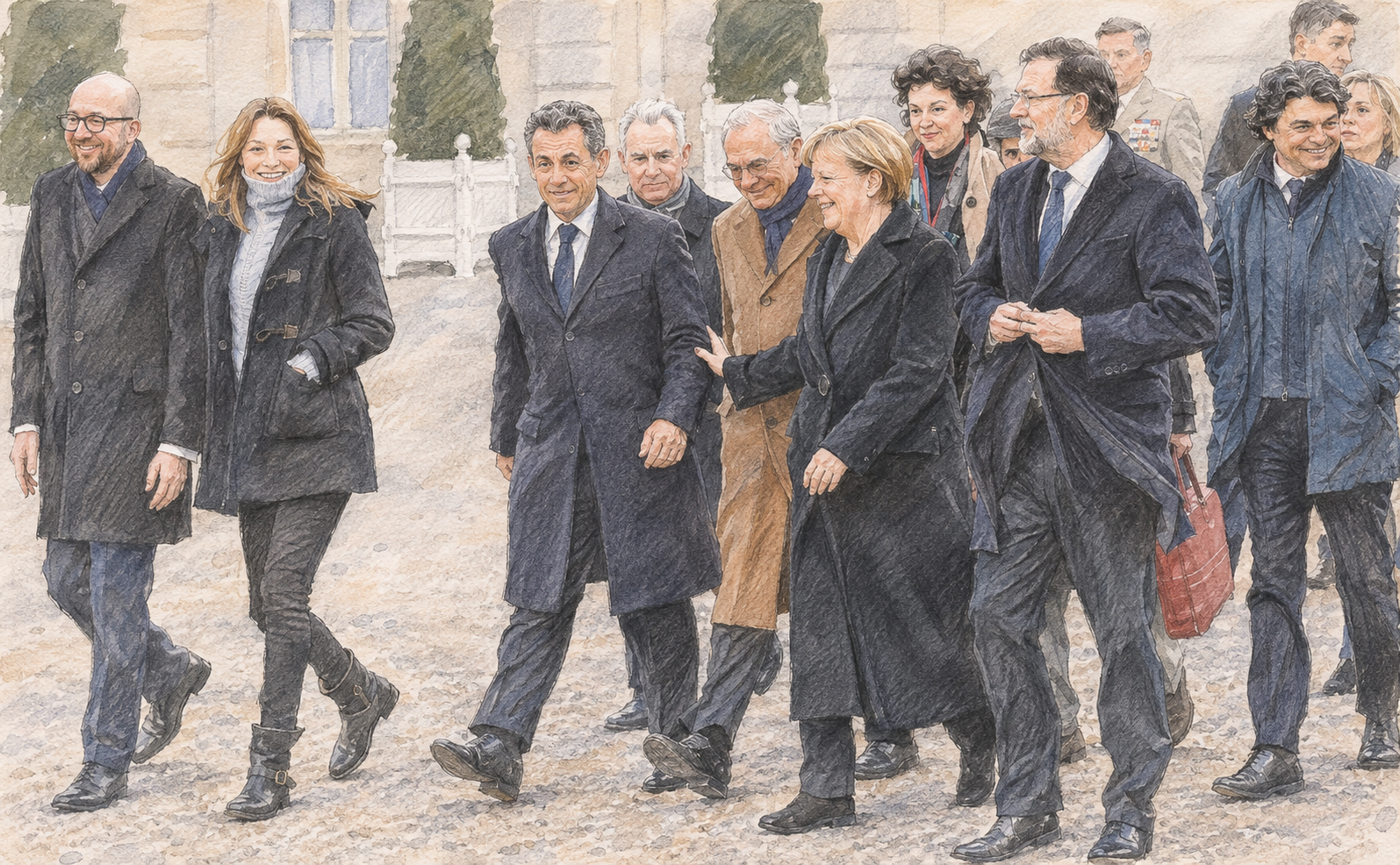
In the aftermath of the latest attack, about forty international leaders went to Paris, to take part in a mass demonstration pro-freedom of speech (picture below). Ironically, many of those come from countries with a pretty bad track record when it comes to protecting the press, according to the NGO Human Rights Watch. In a global level, it remains to be seen whether this terror activity at Charlie Hebdo will trigger even greater worldwide losses for Muslims, most of whom despise the immoral use of violence. From the looks of the representatives in the French capital, this seems to be the only option to undermine the risks of new “Western” deaths — unfortunately, the willingness to thwart terror plots is mostly restricted to European and American borders, while many other populations are harmed on a daily basis.
Originally published on Urbaniting.